What is Asian Double Eyelid Blepharoplasty?
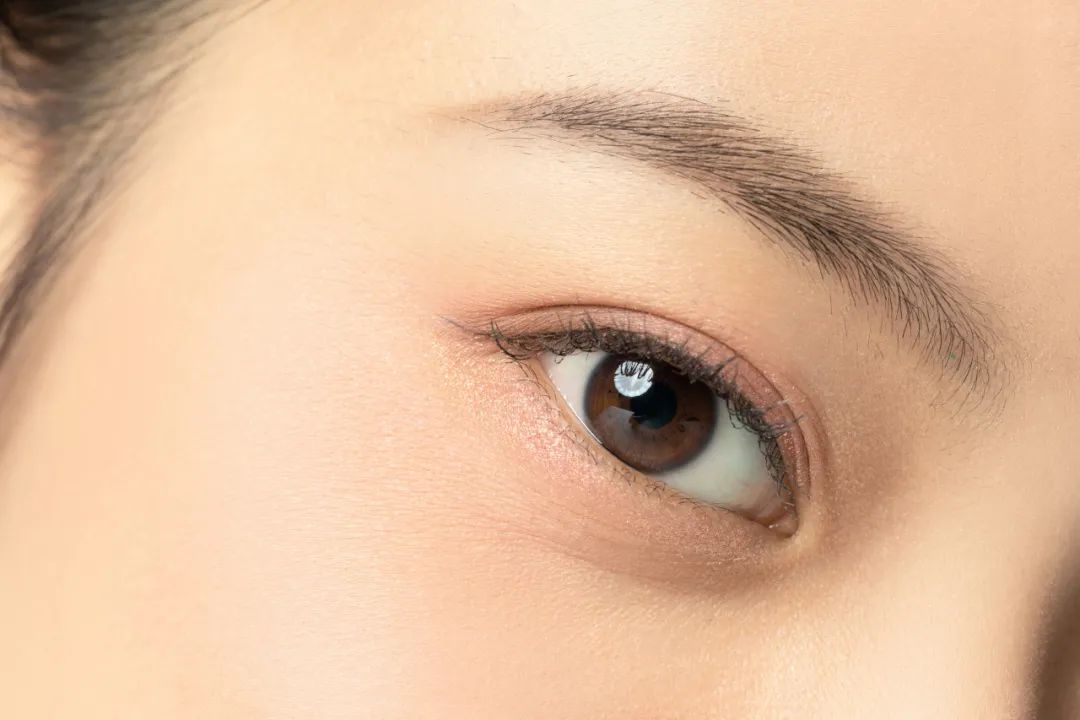
Asian double eyelid blepharoplasty, also known as Asian eyelid surgery or double fold blepharoplasty, creates a defined supratarsal fold — the visible crease that separates the upper eyelid into two levels. Roughly half of people of East Asian descent are born without this crease or with only a faint, inconsistent fold.
The procedure can be performed with an incisional method, a non-incisional (suture) method, or a partial incision technique, depending on your individual anatomy and goals. The aim is never to "westernize" the eyes — it is to enhance definition, symmetry, and openness while preserving the natural character and ethnic identity of your face.

Goals and Benefits
- Defined upper eyelid crease — Creates a clean, natural double fold on the upper eyelid (supratarsal fold) that stays consistent throughout the day.
- Enhanced eyes that appear larger and more awake — A defined crease opens the eye area, making eye contact feel brighter and more engaging.
- Improved eyelid symmetry — Corrects uneven, multiple, or inconsistent creases so both eyes match.
- Maintains ethnic appearance — Modern techniques define the eyes you have rather than changing their character.
- Rejuvenation of the eye area — Removal of excess skin and fat reduces heaviness and puffiness for a more youthful appearance.
- Refined eye shape — When combined with medial epicanthoplasty, the inner corners can be softened for a gently elongated, almond shape.
- Long-lasting results — Incisional techniques create a permanent crease with minimal, well-hidden scarring.
Who is a Good Candidate?
- Candidacy for Asian double eyelid surgery depends on your eyelid anatomy, your health, and your expectations. You may be an ideal candidate if you notice one or more of the following eyelid characteristics:
- No lid crease — A monolid (single fold) where the upper eyelid has no visible crease.
- A faint crease — A shallow or partial fold that appears some days and disappears others, or fades by the end of the day.
- Multiple asymmetric lid creases — Several competing fold lines, or a crease on one eye but not the other.
- Hooded eyes — Upper eyelid skin that folds down over the lash line, hiding the natural crease.
- Excess eyelid fat — Fullness or puffiness in the upper lid that makes the eyes look heavy or tired.
- Narrow-looking eyes — Eyes that appear smaller or more closed than they feel, which can make open, direct eye contact harder to convey.
- Eyelid shape dissatisfaction — A general wish for a more defined, balanced, or refreshed eye shape.
- Beyond eyelid anatomy, good candidates also:
- Are in good overall health — With no major underlying medical conditions that impair healing. Thyroid eye conditions, bleeding disorders, and severe dry eye should be discussed at your consultation.
- Are typically 18 or older — With fully developed eyelid anatomy. There is no upper age limit; many older patients combine crease creation with rejuvenation of the eye area.
- Have realistic expectations — Understand what the procedure can and cannot change, and want enhancement rather than transformation.
- Have clear aesthetic goals — Can describe the crease height and eye shape they hope for, and are open to their surgeon's guidance on what suits their unique anatomy.
- Because every eyelid is different, the only way to confirm candidacy is an in-person assessment with a surgeon experienced in Asian eyelid anatomy.
Planning Your Procedure: Consultation & Customization
No two double eyelid surgeries should look the same. Your consultation process begins with a review of your medical history and a detailed examination of your pre-op eye shape — lid thickness, skin quality, fat volume, levator muscle function, and any existing asymmetry or ptosis (drooping of the upper lid).
From there, your surgical plan is customized around several key decisions:
Crease height — A lower crease reads subtle and natural; a higher crease creates a more defined, dramatic fold. Most patients of Asian heritage suit a conservative crease height that matches their features.
Tapered crease vs. parallel crease — A tapered crease narrows toward the inner corner and blends with the epicanthal fold, the most common natural Asian crease shape. A parallel crease runs evenly along the lid margin for a more open inner eye. Your facial proportions and preferences guide this choice.
Managing asymmetry and ptosis — If one lid sits lower or the levator muscle is weak, ptosis correction can be built into the same procedure so both eyes open evenly.
Epicanthoplasty — If a prominent epicanthal fold covers the inner corner, a medial epicanthoplasty can be added to the combined procedure plan.
Cultural identity — Crease design is planned to avoid ethnic incongruity. The goal is a result that looks like it could have occurred naturally on your face.
You will leave your consultation with a clear surgical plan, technique recommendation, and personalized quote.
Surgical Techniques: Incisional vs. Non-Incisional
There are three main approaches to creating a double eyelid crease. The right one depends on your upper lid thickness, how much excess skin, fat, or muscle is present, and how permanent you want the result to be.
Incisional method — A fine incision is made along the planned crease line, allowing removal of excess skin, fat, or muscle before the crease is anchored internally. This creates a permanent crease and is the best choice for hooded eyes, thicker lids, or significant excess tissue. Recovery is longer, but the result does not loosen over time.
Non-incisional (suture) method — Instead of a full incision, tiny punctures and internal stitches create the fold. Variations include the double suture and twist method (DST), which uses looped sutures for added stability. This approach suits patients with thin lids and minimal excess skin or fat. Recovery is faster and there is no incision line — but it is considered a non-permanent procedure for some patients, as the fold can loosen over the years.
Partial incision technique — A small central incision allows limited fat removal while keeping the incision short. A middle ground between the two methods, often chosen for moderately full lids that don't need skin excision.
Your surgeon will recommend the technique that converts your single fold into a stable supratarsal crease with the least intervention necessary.
How is the Procedure Done?
Marking and design
Before surgery, your pre-op eye shape is measured and the planned crease shape and height are marked while you are sitting upright, so the design reflects how your eyes look in real life.
Anesthesia
The procedure is performed under local anesthesia with sedation, or general anesthesia, to ensure complete comfort. A protective corneal shield is placed over each eye for safety during surgery.
Incisions
Depending on your surgical plan, the surgeon makes a fine incision along the marked crease line (incisional method), a small central incision (partial technique), or tiny puncture points (suture method).
Tissue refinement and crease creation
Excess fat removal, and where needed removal of excess skin or muscle, is performed conservatively. The new crease is then anchored to the deeper eyelid structures to create a stable, permanent crease. When part of the plan, adjunct steps such as epicanthal skin transposition or lateral canthoplasty are performed at this stage.
Closure
Incisions are meticulously closed with fine stitches placed within the new fold, so the healed line sits hidden inside the crease itself. The procedure typically takes one to two hours and is performed as an outpatient surgery.
Recovery and Aftercare
You will receive written pre & post procedure instructions before surgery day, so you know exactly what to expect at every stage.
Day of surgery — After the procedure, you rest in our recovery room while the sedation wears off. You'll need someone to drive you home, where you should rest semi-upright — a reclining chair works well — with cold compresses applied gently around the eyes.
First week — Keep your head elevated, including while sleeping, to minimize bruising and swelling. Use the prescribed ointment or drops, avoid rubbing your eyes, and skip eye makeup. Swelling typically peaks around day two to three, then begins to fade. Stitches removal takes place at your first follow-up, usually five to seven days after surgery.
Weeks one to two — Most bruising resolves within ten to fourteen days. Many patients feel comfortable returning to work and social activities within one to two weeks. Glasses can be worn immediately, but wait roughly two weeks before wearing contacts. Light exercise such as walking can resume around the two-week mark.
Weeks three to four and beyond — Strenuous exercise, heavy lifting, and swimming can usually resume at three to four weeks. Wear sunglasses outdoors and protect the incision line from sun exposure with SPF for several months to prevent scar darkening.
Scars and settling — Any visible scars start as a fine pink line hidden within the crease and fade progressively, typically blending in well by three to six months.
Follow-up visits — Your surgeon monitors healing at scheduled follow-up visits, where post-op photos are taken to track your progress against your pre-operative photos.
Results and What to Expect
Your new crease is visible immediately, but the true result emerges as swelling subsides. Most swelling resolves within four to six weeks, and the crease settles into its final height and shape over three to six months, with subtle refinement continuing up to a year.
Duration of results — The incisional method creates permanent results: once healed, the crease is anchored and does not fade. The non-incisional technique carries a small long-term risk of fold loss, as internal sutures can loosen over the years; if this occurs, the crease can be revised or converted to an incisional result.
A natural and attractive transformation — When crease height and shape are planned around your anatomy and ethnic identity, the healed result looks like a crease you were born with — friends often notice you look brighter and more rested without being able to say why.
At your final follow-up appointment, before-and-after photos are reviewed together to confirm the outcome matches the surgical plan you agreed on.
Cost of Asian Double Eyelid Surgery in Toronto
- Asian double eyelid blepharoplasty at RejuuvMed starts at $6,000. Your exact pricing quote is confirmed after your double fold blepharoplasty consultation, because several factors influence the final cost:
- Technique used — Non-incisional (suture), partial incision, and full incisional methods involve different surgical time and complexity.
- Your eyelid anatomy — Upper lid thickness, whether fat removal is required, and any skin excision affect the scope of surgery.
- Correction of ptosis or asymmetry — Addressing a drooping lid or uneven creases adds surgical steps.
- Combination procedures — Adding medial epicanthoplasty, brow lifting, or lower eyelid work changes the overall plan.
- Anesthetic costs — Local anesthesia with sedation versus general anesthesia.
- Surgeon's fees and associated costs — Your quote details the surgeon's fees, facility costs, and follow-up care so there are no surprises.
- As a purely cosmetic procedure, double eyelid surgery is not covered by OHIP or private insurance. After your consultation, our patient coordinator walks you through your itemized quote, payment options, and scheduling.

Choosing Your Surgeon
For this procedure more than most, outcomes depend on who performs it. Double eyelid surgery is a true surgical procedure — not a non-surgical procedure like injectables — and it belongs in the hands of a qualified surgeon operating in a proper surgical setting. When comparing providers, look for:
Specific experience with Asian eyelid anatomy — A facial plastic surgeon who regularly performs double eyelid surgery on patients of Asian heritage understands crease shapes, epicanthal folds, and lid thickness patterns that general eyelid surgeons may rarely encounter.
Natural-looking results — Ask to see before-and-after photos of patients with anatomy similar to yours. The best results are the ones you can't spot as surgery.
An accredited, sterile facility — Surgery should take place in a properly equipped, disinfected surgical environment with trained support staff and monitored recovery — not a treatment room designed for skin and fat removal of another kind.
An honest consultation — A good surgeon will tell you which technique fits your anatomy, when a smaller procedure is enough, and when you are not a good candidate at all.
At RejuuvMed, every surgical patient consults directly with the operating surgeon before any decision is made.
Risk Factors
- Bleeding or infection — As with any surgical procedure, though rare in an accredited facility.
- Poor wound healing or visible scarring — In some cases, scarring may be more pronounced, particularly without proper sun protection.
- Temporary dry eyes or irritation — Common in the first weeks; managed with lubricating drops.
- Temporary blurred vision — Usually caused by ointment or swelling; lasting vision impairment is extremely rare.
- Changes in eyelid sensation — Temporary or, rarely, permanent changes can occur.
- Asymmetry or uneven results — Minor asymmetry during healing is normal; persistent asymmetry may require revision.
- Fold loss — Specific to the non-incisional suture method, where the crease can loosen over time.
- Adverse reaction to anesthesia — Some patients may experience reactions.
Combination with Other Procedures
- Medial Epicanthoplasty — Softens the inner corner fold for a gently elongated, almond-shaped eye.
- Ptosis Repair — Strengthens the lifting muscle so heavy or drooping lids open fully and evenly.
- Eyelid Surgery (Blepharoplasty) — Combine with upper or lower blepharoplasty for comprehensive eye rejuvenation.
- Brow Lift — Elevate and reshape the eyebrows for a more youthful and refreshed appearance.
- Injectable Treatments — Use Botox® or dermal fillers to smooth out fine lines and enhance facial volume.
- Rhinoplasty — For balanced facial proportions, combining with nose reshaping surgery can provide harmonious results.
Frequently Asked Questions
Will I have visible scars?
When can I wear contact lenses again?
Will my eyes still look like me?
Does the procedure hurt?
Will I get dry eyes?
Can the surgery affect my vision?
How long do bruising and swelling last?
What if my eyelids heal unevenly?
When can I go out in the sun?
Is the double fold permanent?
Achieve Your Desired Look
Asian double eyelid blepharoplasty is a highly effective and transformative procedure that enhances the definition and aesthetics of the eyes — while keeping them unmistakably yours. Consult with our qualified surgeons to explore which technique fits your anatomy and achieve natural-looking results.