Benefits
- Correction of protruding or 'bat' ears.
- Improved symmetry and proportion of the ears.
- Enhanced self-confidence and self-esteem.
- Restored balance and harmony to facial features.
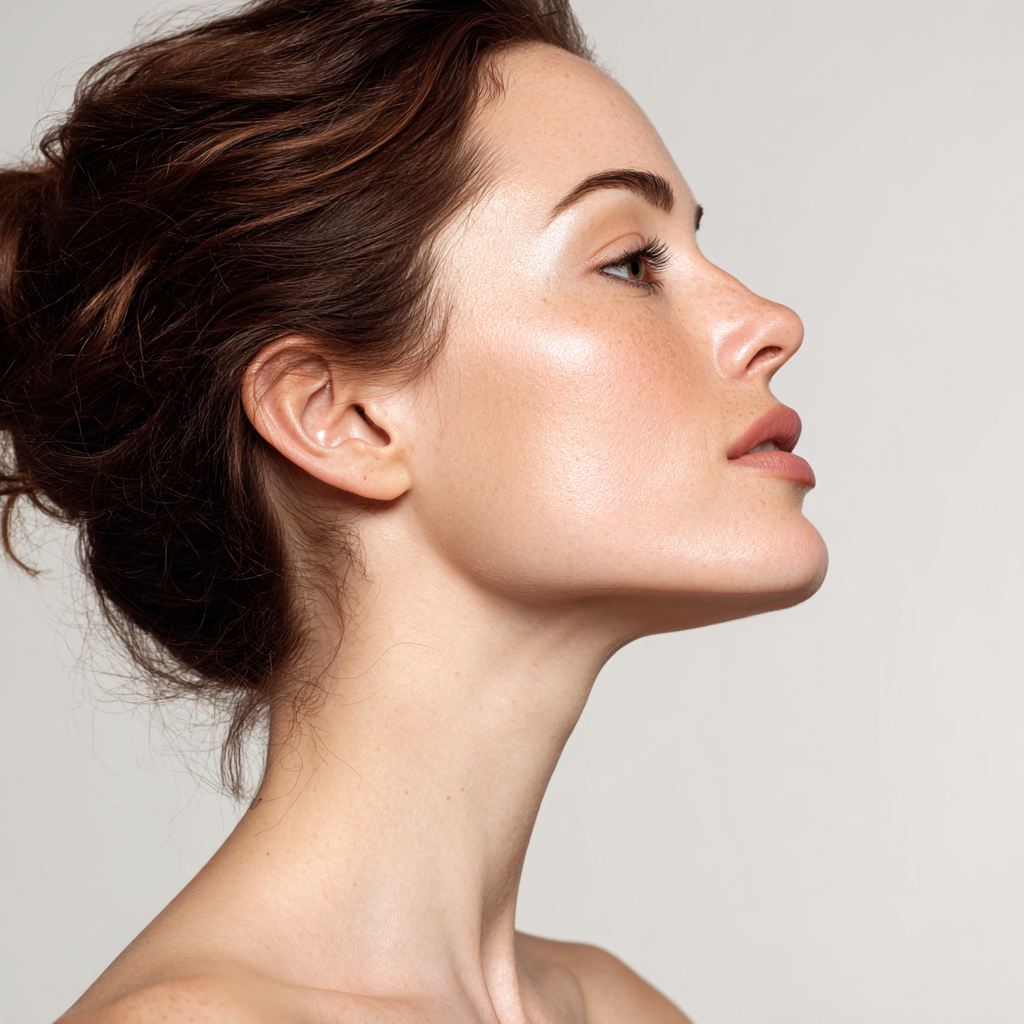
Who is a Good Candidate?
- Have protruding, asymmetrical, or misshapen ears.
- Desire to improve the appearance and proportion of their ears.
- Are in good overall health and have realistic expectations.

How is the Procedure Done?
Anesthesia
The procedure is performed under local or general anesthesia, depending on the patient's preference and the extent of correction required.
Incisions
The surgeon makes discreet incisions behind the ears or within the natural creases to access the ear cartilage.
Cartilage Reshaping
The surgeon reshapes or repositions the ear cartilage to achieve the desired contour and projection.
Closure
Once the necessary adjustments have been made, the incisions are meticulously closed with sutures.

Recovery Time
Following Otoplasty, patients can expect a relatively quick recovery. Mild swelling and bruising around the ears are common but typically subside within a week. Most individuals can resume normal activities within 1 to 2 weeks, although contact sports should be avoided for several weeks.
Risk Factors
- Infection at the incision sites.
- Bleeding or hematoma formation.
- Changes in sensation or temporary numbness around the ears.
- Unsatisfactory cosmetic outcomes, though rare when performed by experienced surgeons.
Combination with Other Procedures
Otoplasty can be combined with other facial rejuvenation procedures, such as rhinoplasty or facelift, to achieve comprehensive facial enhancement and harmonization.
Achieve Natural Balance
Otoplasty provides a long-lasting improvement in ear appearance, bringing your ears into natural proportion with your facial features. The results are generally permanent.